Saber Choice 101: A Manual to Your Ideal Lightsaber
In the vast galaxy of the Star Wars lore, a select few symbols are as legendary as the saber of light. This graceful weapon, wielded by Jedi and Sith alike, not just signifies control of the Force but also mirrors the personal journey of the owner. With countless designs, colors, and hilt styles, choosing the perfect lightsaber can be a challenging task for newcomers and seasoned fans alike. Whether you are looking for a weapon for battles, display, or cosplay, grasping the details of lightsaber selection can help you discover the perfect match for your unique style and preferences.
As you embark on this journey of lightsaber selection, it’s essential to consider a number of factors that will affect your choice. From the color of the blade to the materials used in the hilt, every detail can transform an average lightsaber into a meaningful extension of yourself. In this guide, we will explore the various aspects involved in selecting your ideal lightsaber, ensuring that you find a weapon that resonates with your personality and embodies your connection to the Force. Prepare to ignite your passion for this legendary weapon and reveal the lightsaber that will join you on your journeys through the stars.
Understanding Lightsaber Categories
Light Sabers exist in a range of forms, each tailored for diverse fighting styles and tastes. The most prevalent type is the single bladed lightsaber, used by countless Jedi and Sith. This conventional form allows for a balanced approach to combat, designing it versatile for for attack and protection. The famous azure and green blades represent the Jedi, while crimson is frequently connected with the Sith.
Another, captivating variety is the double bladed lightsaber, which features a light blade on each side of the handle. Popularized by personages like Maul, this type allows strong sweeping strikes and can be extremely effective in able hands. It demands a higher degree of accuracy and practice, as using it can be more challenging due to its increased range and the need for spatial awareness.
In conclusion, there are alternatives such as the bent lightsaber and the cross guard lightsaber. The curved hilt gives special pros in grip and agility, allowing intricate techniques and combat styles. The cross guard style, popularized by Kylo Ren, provides extra security for the hands. Every form shows the individuality and fighting style of the wielder, rendering the decision of a lightsaber a individual and significant selection.
Picking the Right Blade Length
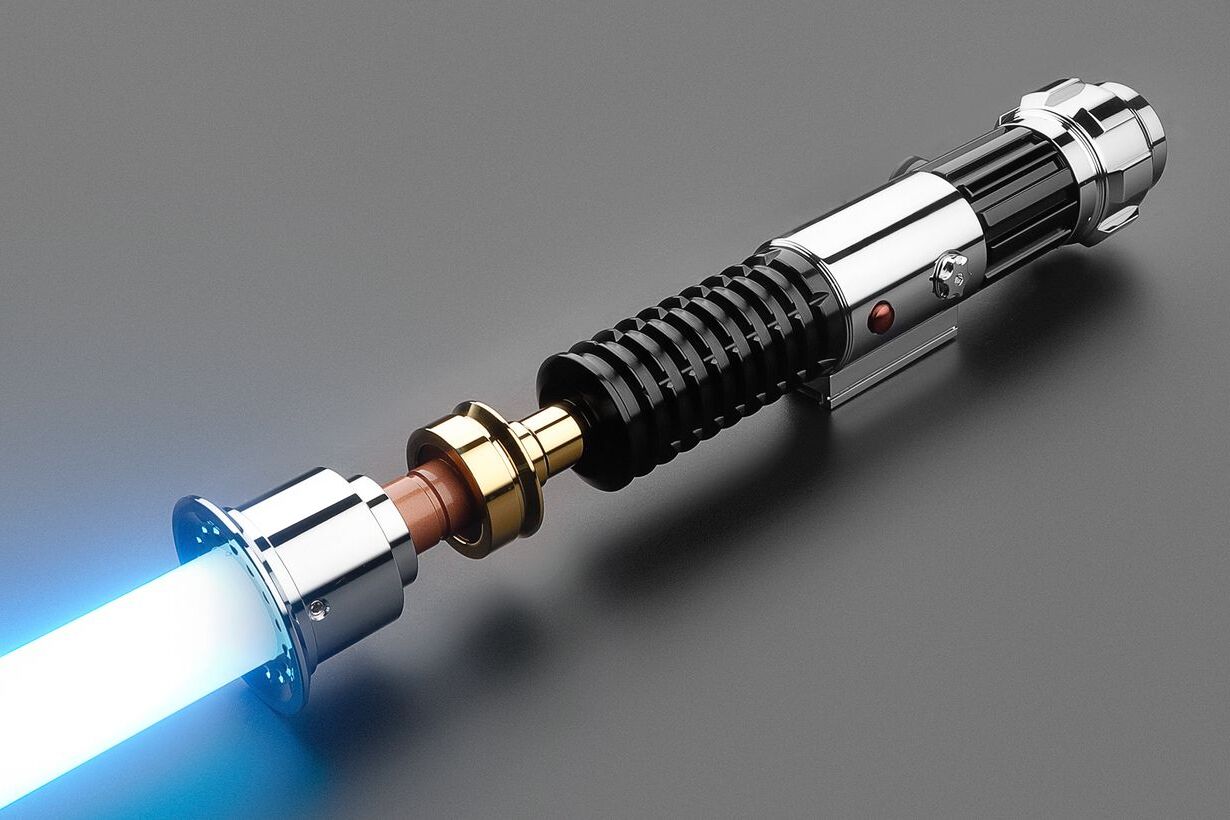
As you choosing a lightsaber, a vital important factors to consider is the blade length. Light sabers typically come in different sizes, and the appropriate length can substantially affect your fighting style and overall experience. A standard blade length is around 36 inches, giving a good balance of reach and maneuverability. Yet, shorter blades can provide quicker movements, while longer blades can maximize your range in combat.
Your height and arm length play significant roles in determining the ideal blade length for you. Taller individuals may find that a bigger blade feels more natural and comfortable, permitting for full extension during swings. Conversely, shorter individuals might favor a shorter blade, which can enhance control and precision without causing strain. Ultimately, your individual preference and style of play should guide your decision, ensuring you pick a blade length that feels comfortable for you.
Additionally, think about the context in which you will be using your lightsaber. If you plan to participate in organized dueling or martial arts practices, consult the recommended blade lengths for those activities. A shorter blade might be more suitable for nearby training, while longer blades can be advantageous for performing stunts or cinematic displays. Always weigh your options based on how you plan to use your lightsaber to find the perfect fit.
Blade Color Significance
The color of a saber blade holds significant meaning within the Star Wars, often mirroring the personality and principles of its user. For example, the legendary azure blade is commonly associated with the Jedi Guardians, who focus on fighting and defense against the dark side. In contrast, a emerald blade typically represents a Jedi Consular, emphasizing diplomacy and a connection to the vital Force. This connection to color adds depth to the character, indicating their approach to the obstacles they face.
The crimson blade is associated with the Sith and is often representative of rage, passion, and the embrace of the darkness. It is crucial to note that the red color comes from synthetic crystals, unlike the naturally ones used by the Jedi. This sharp contrast highlights the ideological divide between these two factions, making blade color a powerful visual cue for the ethical stance of the character wielding it.
Beyond these traditional colors, different shades such as violet and golden provide more nuanced meanings. A purple lightsaber, notoriously wielded by the Jedi Master Mace Windu, represents a harmony between light and darkness, showcasing a unique position in the Force. Golden blades, typically associated with the Guardians of the Temple, indicate a guardian status, prioritizing protection and peace preservation. These colors enrich the mythos and help fans understand the complexities of each individual's path in their personal saga.